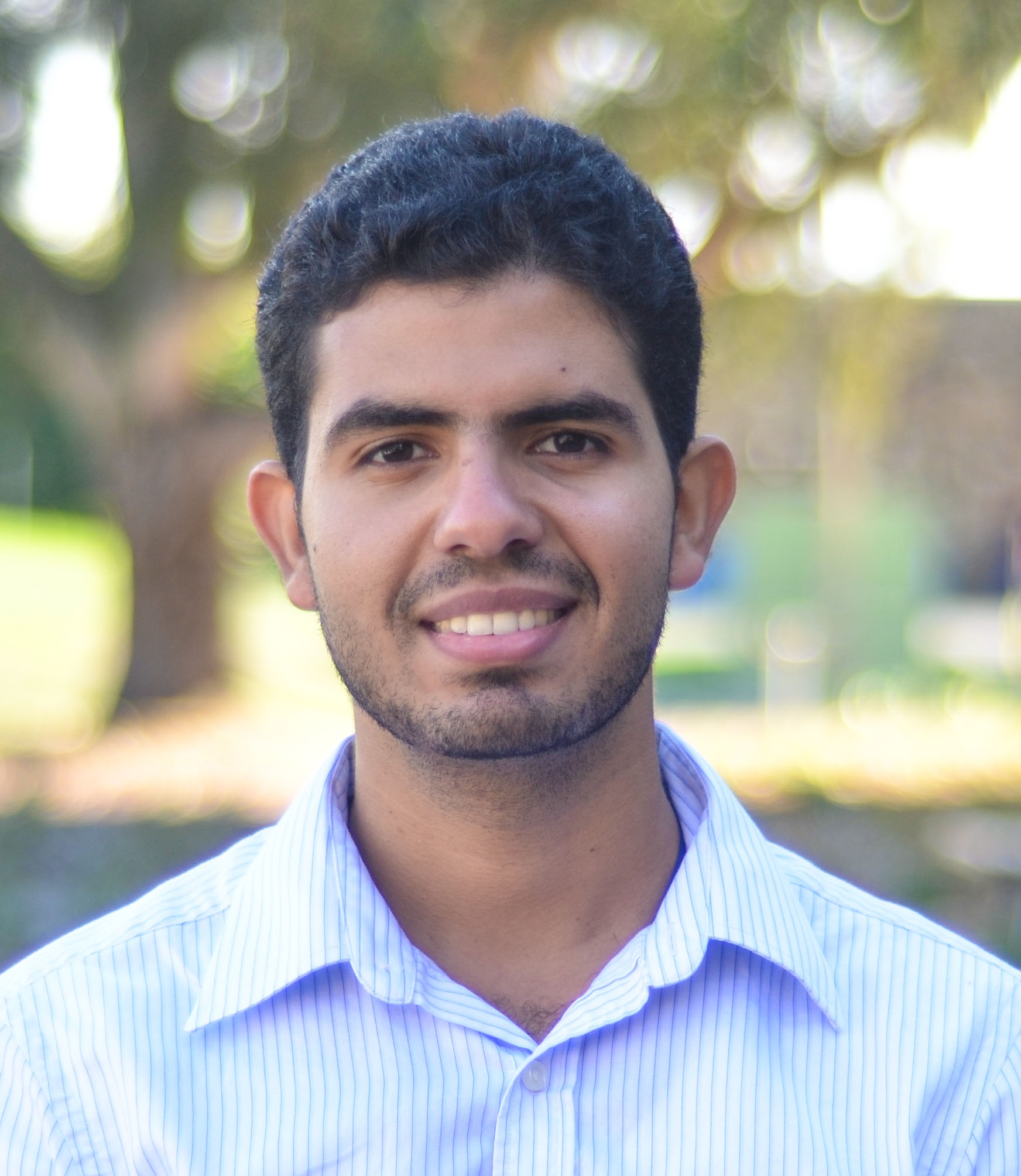
Abdulghani Mohamed
Proposed · awaiting confirmation
RMIT University, Melbourne, Australia
Bird-inspired wing and tail morphing
From the creatures that inspire flight
to the environments where robots must work.
Inspired by nature.
Designed for the world.
01 / The workshop
Changing airflow.
Irregular surfaces.
New ways to interact.
Soft aerial robotics explores how deformable structures, soft actuators and integrated sensors can help flying robots adapt to their surroundings. Drawing inspiration from birds, bats and insects, researchers are developing systems that change shape during flight and move between different environments. Across three previous editions of this workshop series, we have explored these ideas through robot design, modelling and control, while developing a two-way conversation between roboticists and researchers studying biological flight.
This year, Soft Aerial Robotics in the Wild brings the community together to share recent advances and examine what it takes for these systems to operate in natural environments. The RoboSoft 2027 theme asks us to consider nature both as a source of inspiration and as the setting in which future aerial robots must operate. Our focus is on adapting to changing conditions, moving between air, land and water, and interacting with the environment through perching, grasping and sampling.
Through talks, student demonstrations and shared discussion, this workshop will connect soft robotics and flight biology with questions from environmental research. We aim to identify promising applications, examine the barriers to deployment, and develop collaborations towards environmental monitoring, biodiversity conservation and ecological intervention, while considering the energy use, material choices and disturbance associated with robot deployment.
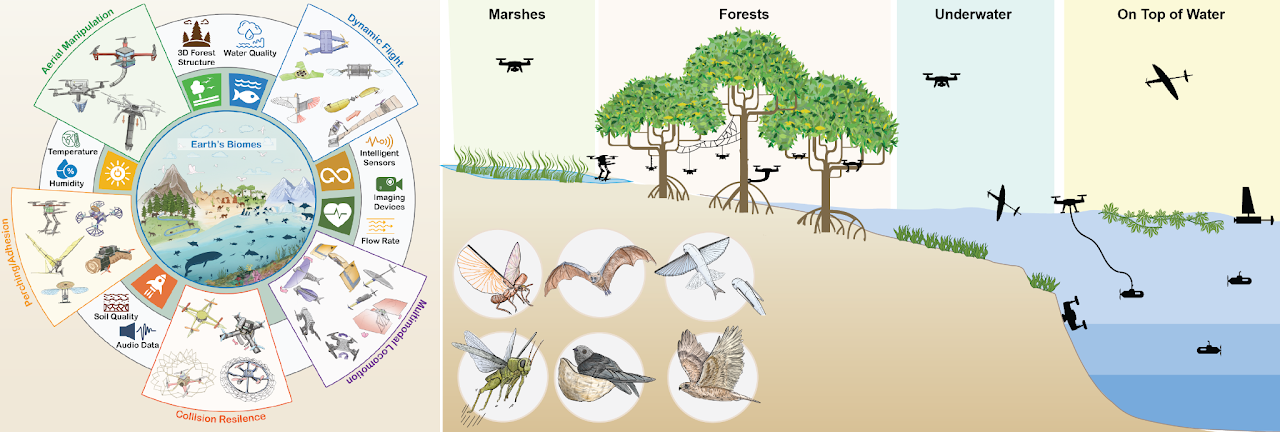
A continuing conversation / 2022–2027
The series ran at RoboSoft in 2022, 2023 and 2024, bringing together soft aerial robot design, biological inspiration and adaptive flight. The 2027 proposal builds on those exchanges to examine how these systems can operate reliably in natural environments with minimal environmental impact.
02 / Speakers
A programme spanning biological flight, soft robotics and environmental applications.Salua Hamaza is confirmed. The other fourteen speakers are proposed and awaiting confirmation. Themes below are suggested areas of contribution.
Proposed · awaiting confirmation
RMIT University, Melbourne, Australia
Bird-inspired wing and tail morphing
Proposed · awaiting confirmation
University of Queensland, Brisbane, Australia
Insect flight, biohybrid systems and biological measurement
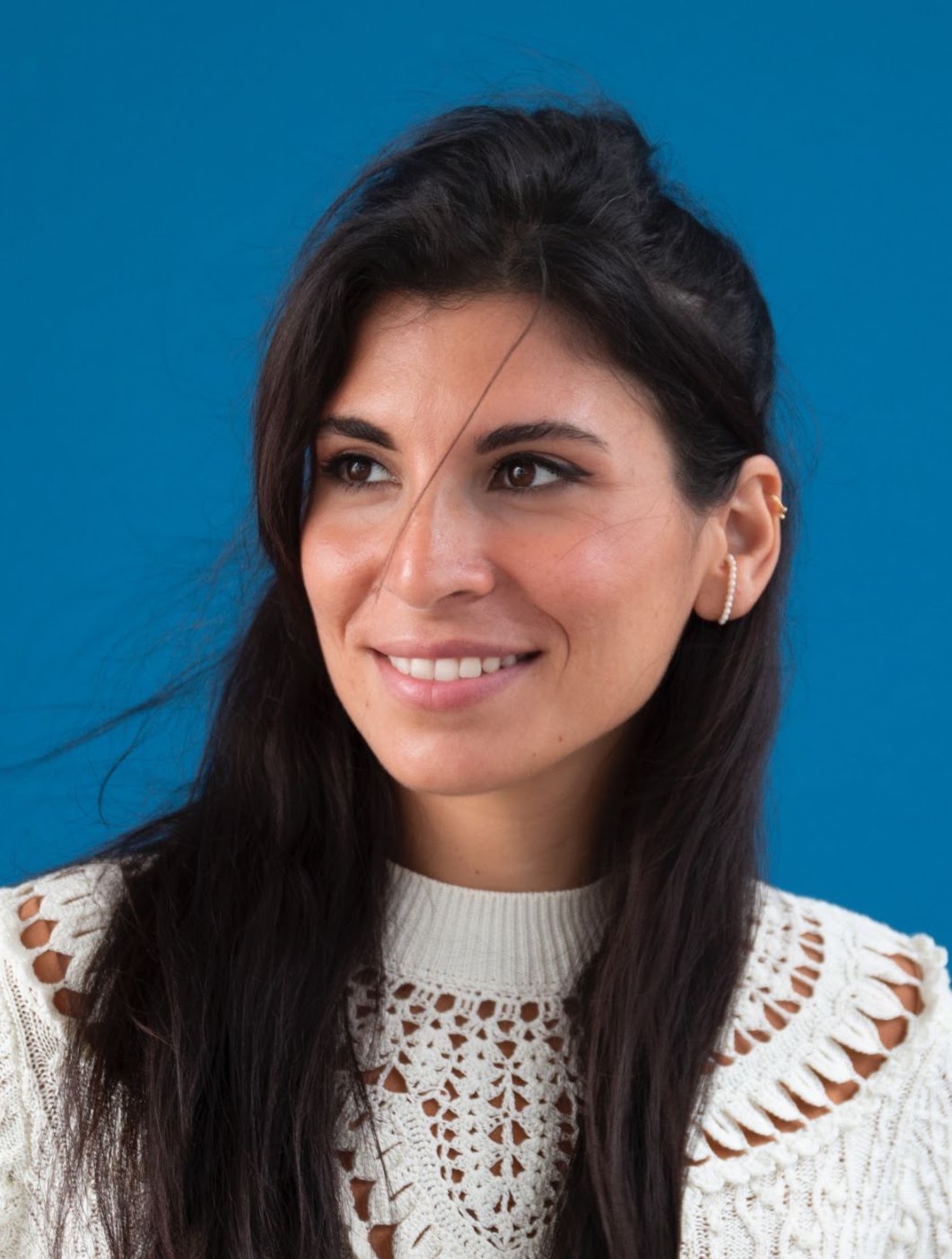
Confirmed
Delft University of Technology, Netherlands
Tactile sensing and embodied intelligence for aerial contact
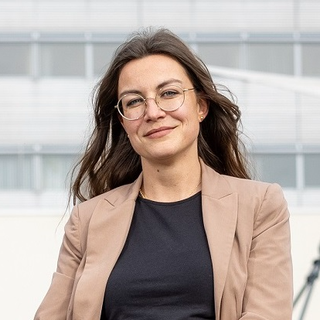
Proposed · awaiting confirmation
University of Twente, Netherlands
Deformable aerial manipulation and collection

Proposed · awaiting confirmation
University of Bonn, Germany
Adaptive robots for environmental interaction
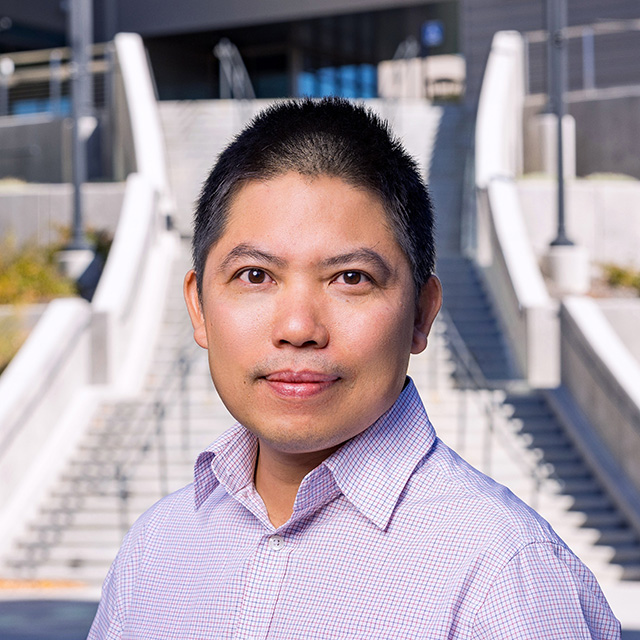
Proposed · awaiting confirmation
University of Nevada, Reno, USA
Biological flight mechanisms and aerial-robot design
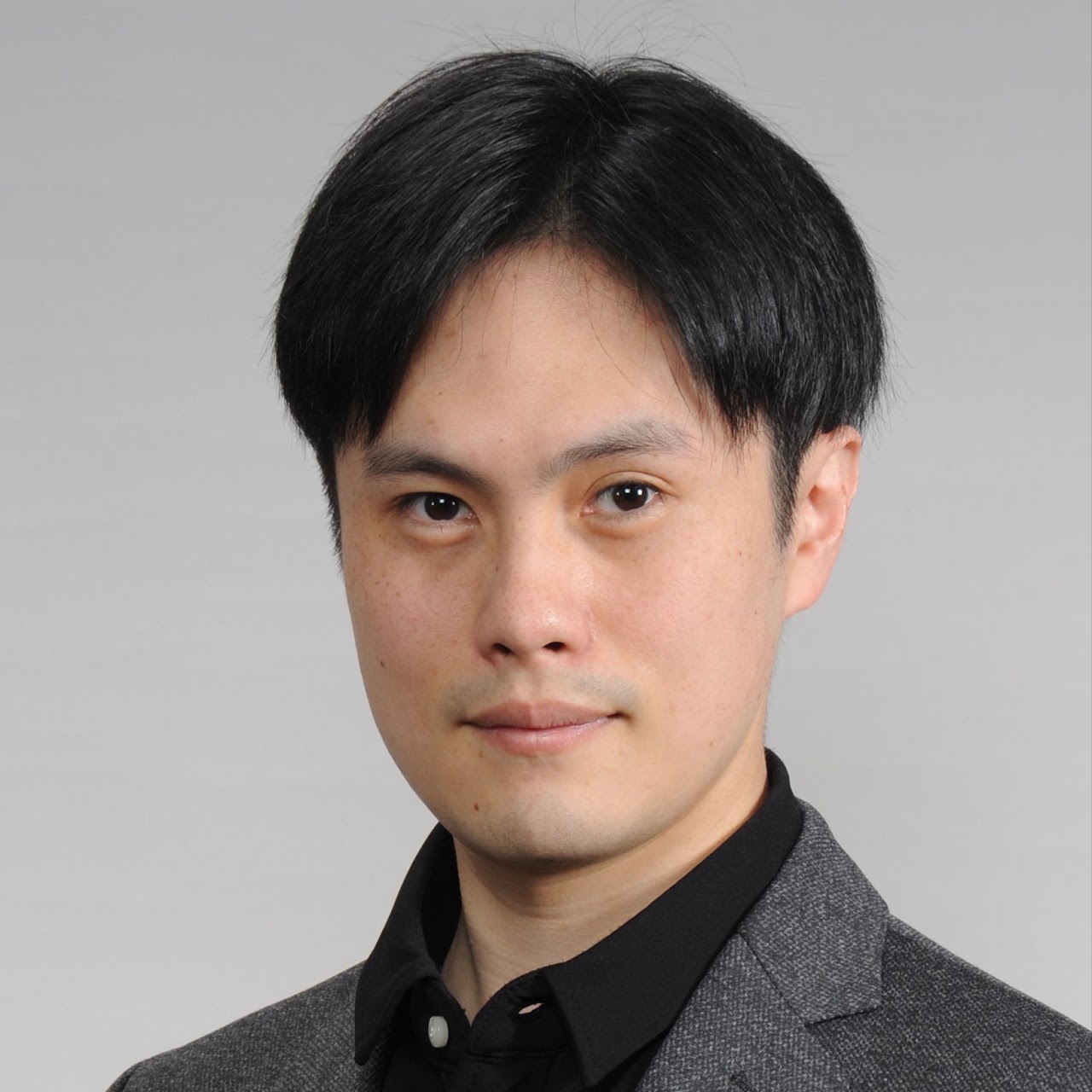
Proposed · awaiting confirmation
The University of Tokyo, Japan
Soft morphing aerial robots and compliant perching
Proposed · awaiting confirmation
Institute of Science Tokyo, Japan
Flexible flapping-wing mechanics and wind sensing
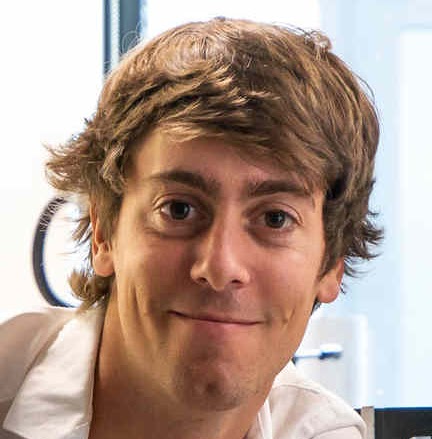
Proposed · awaiting confirmation
Massachusetts Institute of Technology, USA
Flexible flapping wings and transitions between air and water
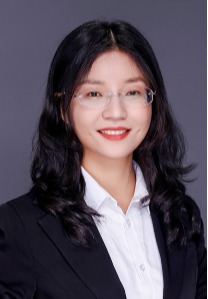
Proposed · awaiting confirmation
Tsinghua University, Beijing, China
Soft actuation and compliant aerial grasping
Proposed · awaiting confirmation
University of Queensland, Brisbane, Australia
Compliant aerial contact and environmental sensing in the field
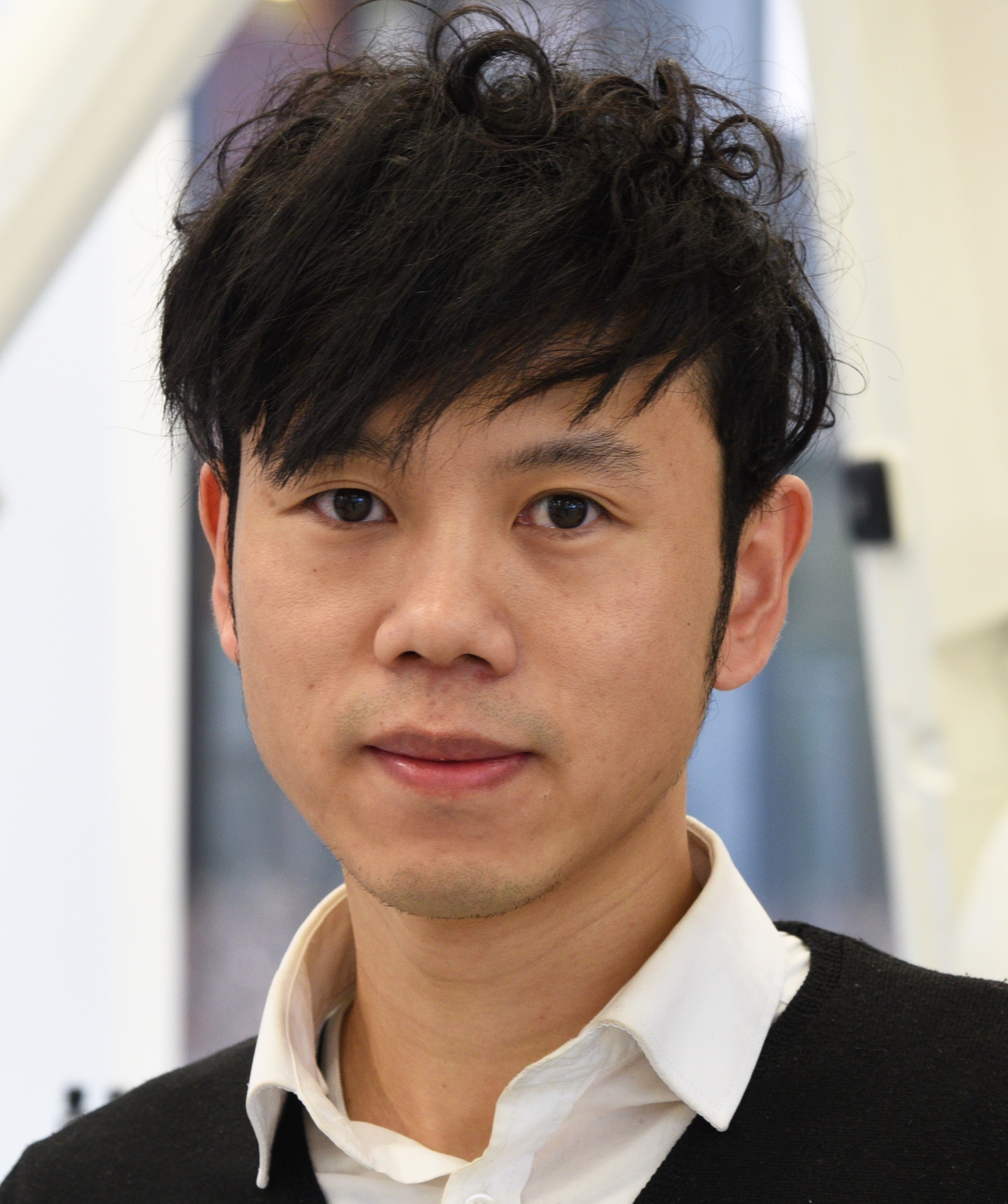
Proposed · awaiting confirmation
The University of Hong Kong, Hong Kong
Compliant aerial continuum manipulation and coordinated flight control
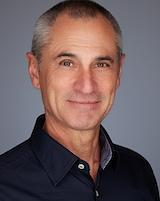
Proposed · awaiting confirmation
EPFL, Lausanne, Switzerland
Bioinspired wing morphing and compliant structures for resilient flight
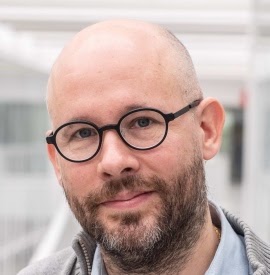
Proposed · awaiting confirmation
University of Southern Denmark, Odense, Denmark
Autonomous drones for wildlife monitoring and field operation
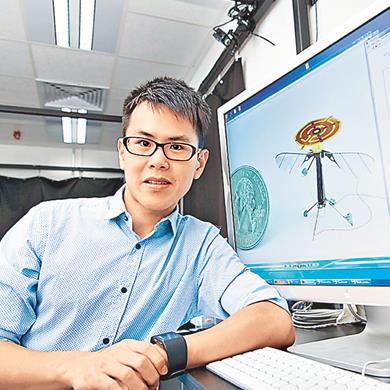
Proposed · awaiting confirmation
University of Toronto, Canada
Passive morphing, compliant mechanisms and flight control for adaptive aerial and hybrid locomotion
RoboSoft 2027 · Brisbane, Australia · Workshop draft
03 / Programme
An illustrative programme with all 15 listed speakers. Each talk has 12 minutes to present and three minutes for questions. The seven hours include a one-hour lunch break and two 20-minute coffee breaks.
Adaptive flight; aerial contact and sampling
Welcome: Pham Huy Nguyen and Andre Farinha
Abdulghani Mohamed; T. Thang Vo-Doan; Hiroto Tanaka
3 × 15-minute slots, including questions
Chair: Christina Harvey
Dario Floreano; Hoang-Vu Phan; Huichan Zhao
3 × 15-minute slots, including questions
Chair: YuFeng (Kevin) Chen
Informal discussion
Salua Hamaza; Chiara Gabellieri; Peng Lu
3 × 15-minute slots, including questions
Chair: Aníbal Ollero
Six two-minute introductions, followed by 18 minutes of discussion
Chair: Sophie Armanini
Participants arrange their own lunch
Stefano Mintchev; Moju Zhao; Pauline Pounds
3 × 15-minute slots, including questions
Chair: Mirko Kovač
Raphael Zufferey; Pakpong Chirarattananon; Ulrik Lundquist
3 × 15-minute slots, including questions
Chair: Andre Farinha
Informal discussion
Groups outline experiments, with feedback from Mohamed and Vo-Doan
Coordinators: Andre Farinha and Sophie Armanini
Up to six two-minute reports, followed by three minutes of discussion
Moderator: YuFeng (Kevin) Chen
Summary and follow-up
Closing: Pham Huy Nguyen
Any invited-talk places that remain available may be offered to contributed research selected through the workshop call. Salua Hamaza is confirmed; the other speakers are awaiting confirmation.
A six-talk example, with 15-minute presentations and five minutes for questions. The final six or seven speakers will be selected from the proposed pool, retaining the two Australian opening speakers and maintaining gender balance and topic coverage.
Adaptive flight; aerial contact and sampling
Welcome: Pham Huy Nguyen and Andre Farinha
Abdulghani Mohamed; T. Thang Vo-Doan
2 × 20-minute slots: 15-minute talk + 5-minute Q&A
Chair: Christina Harvey
Six two-minute introductions, followed by 18 minutes of discussion
Chair: Sophie Armanini
Informal discussion
Salua Hamaza; Chiara Gabellieri
2 × 20-minute slots: 15-minute talk + 5-minute Q&A
Chair: Aníbal Ollero
Stefano Mintchev; Hoang-Vu Phan
2 × 20-minute slots: 15-minute talk + 5-minute Q&A
Chair: Mirko Kovač
Groups outline experiments, with feedback from Mohamed and Vo-Doan
Coordinator: Andre Farinha
Up to six two-minute reports, followed by eight minutes of discussion
Moderator: Kevin Chen
Summary and follow-up
Closing: Pham Huy Nguyen
If seven speakers are selected, each talk will have 12 minutes to present and three minutes for questions, with a further 15 minutes for shared speaker discussion. Session boundaries will change; student activities, the coffee break and group discussions remain.
Illustrative local Brisbane times (AEST, UTC+10); the workshop date and allocated clock times are unconfirmed. Names and session assignments illustrate possible programmes, subject to agreement with the speakers.
04 / Student posters & demonstrations
Prototype · Experiment · ShareShare a prototype, a video or a poster, and discuss your work with researchers across soft robotics and biological flight. Early results and experiments that reveal useful limitations are welcome.
Participation enquiriesA short abstract and, optionally, a prototype image or video. Selection will consider relevance to the workshop and a clear research question, with a range of methods and career stages represented.
A 30-minute session in either format: six two-minute introductions, followed by 18 minutes for discussion around prototypes, videos and posters. Each contribution will have an organiser assigned to give feedback.
In small groups, participants will propose an experiment that connects a compliant or adaptive mechanism to an environmental task. Together, we will discuss what to compare it against, what to measure and how energy use, disturbance and recovery affect its usefulness.
With contributors’ permission, we plan to share a summary of the discussions and proposed experiments within four weeks of the workshop.
If places remain in the full-day oral programme, we will also consider contributed research talks from the same call.
Demonstrations will use tabletop prototypes, unpowered models or videos. Any live flight demonstration must be agreed with the venue and conference in advance.
The workshop is planned as an in-person event. Registration will follow conference policy. Remote access or recording will depend on conference facilities and speaker agreement.
Proposed call · opens after workshop acceptance
These are proposed dates, subject to workshop acceptance and conference registration deadlines.
05 / Organisers
Seven returning organisers will coordinate the programme, student activities and discussions. Participation and responsibilities will be reconfirmed for 2027.
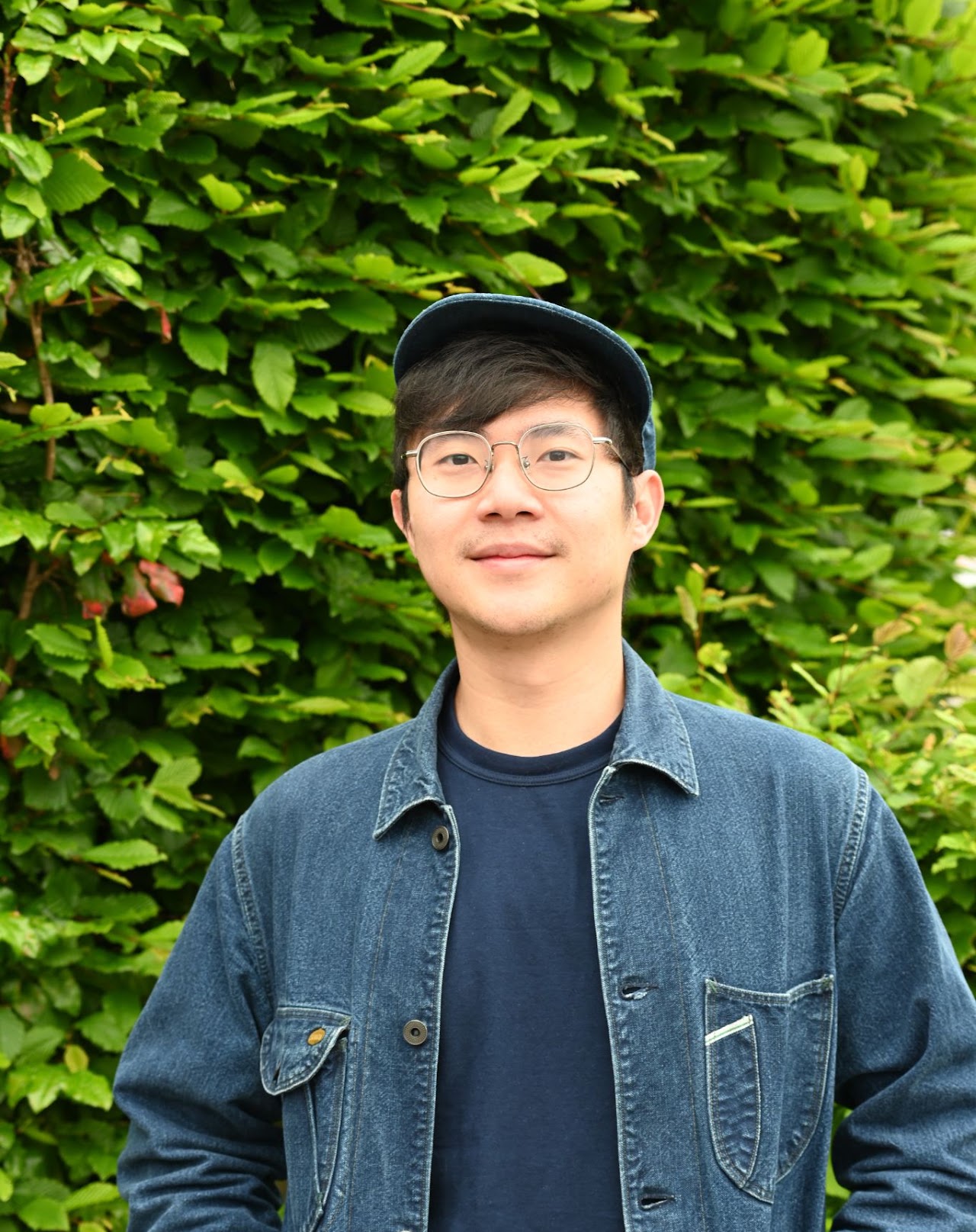
Empa; EPFL; Imperial College London (visiting)
Coordination and participant communication
Empa; EPFL; Imperial College London (honorary)
Scientific programme and aerial interaction
Research profile
CSIRO, Australia
Local coordination and group discussions
Massachusetts Institute of Technology
Experimental comparisons and closing discussion
Research profile
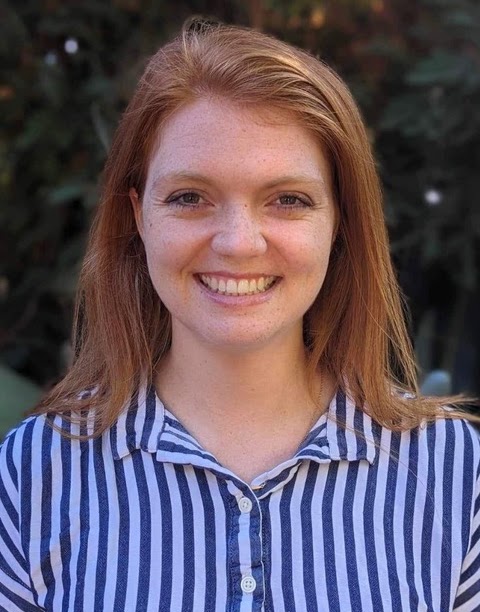
University of California, Davis
Biological flight and student mentoring
Research profile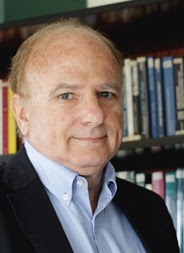
GRVC Robotics Laboratory, University of Seville
Aerial contact and feedback on proposed experiments
Research profile06 / The gathering
A meeting of soft robotics and the wider world, at the 10th IEEE International Conference on Soft Robotics.
Visit RoboSoft 20275–9 April 2027
Workshop date & room to be confirmed.